
Push Back Racking Systems
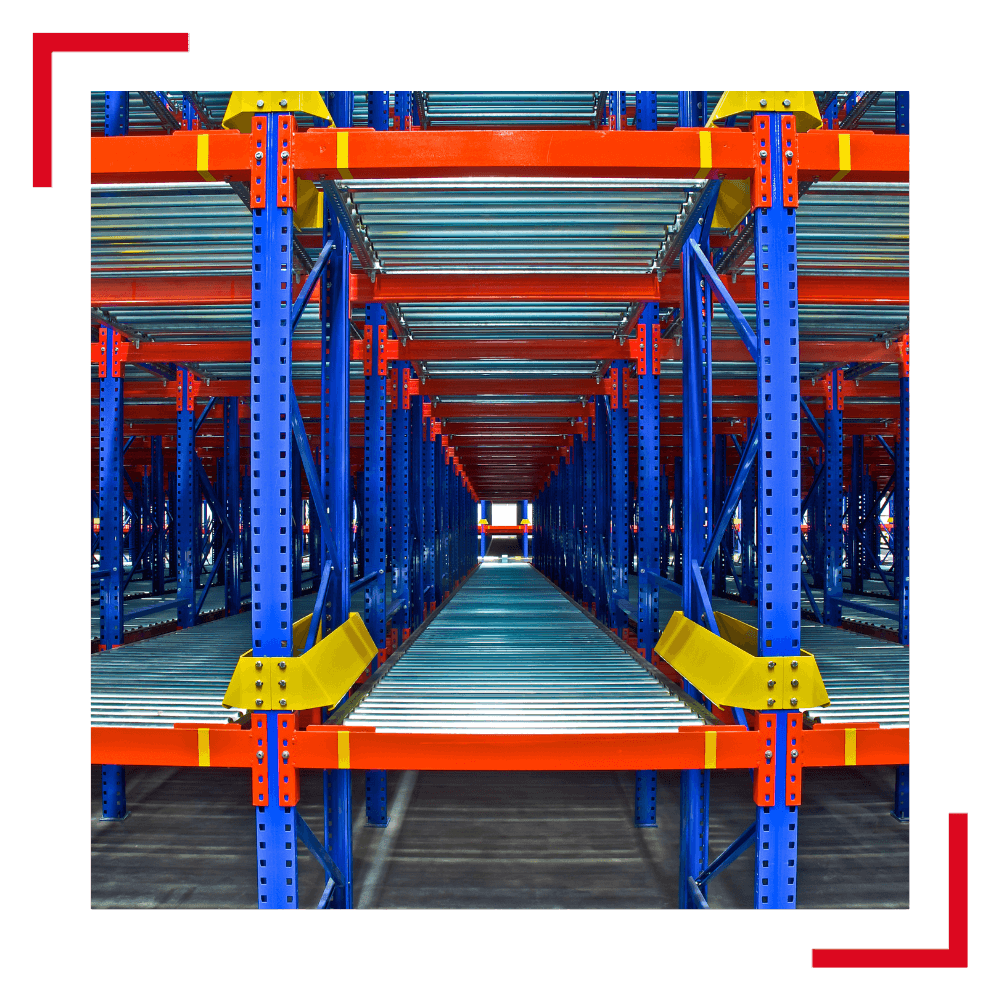
Push back racking stores pallets on wheeled carts that run on slightly inclined rails, typically two to five pallets deep. Each new pallet pushes the one in front of it back, and when you take a pallet out, the next one rolls forward. It fits more pallets into the same space than standard racking, using the forklifts you already have.
Our racking designer plans each push back racking system around your building, your pallets and your trucks, and our own team installs it. We work across Bristol, Gloucestershire, Somerset and Wiltshire.
Call 0117 938 2012 to book a free site survey and get a push back racking cost for your layout, or use the button below to send an enquiry.
How Push Back Pallet Racking Works
Push back pallet racking is loaded and picked from the same aisle. The forklift places a pallet on the front cart, and the next pallet pushes it back along the rails. When a pallet is taken out, the one behind rolls forward to the front. That makes it a last in, first out (LIFO) system.
With only one aisle per block, you lose far less floor space to aisles than with standard pallet racking. You can still reach the front pallet in every lane, so it handles more product lines than drive in racking.
Is Push Back Racking Right for You?
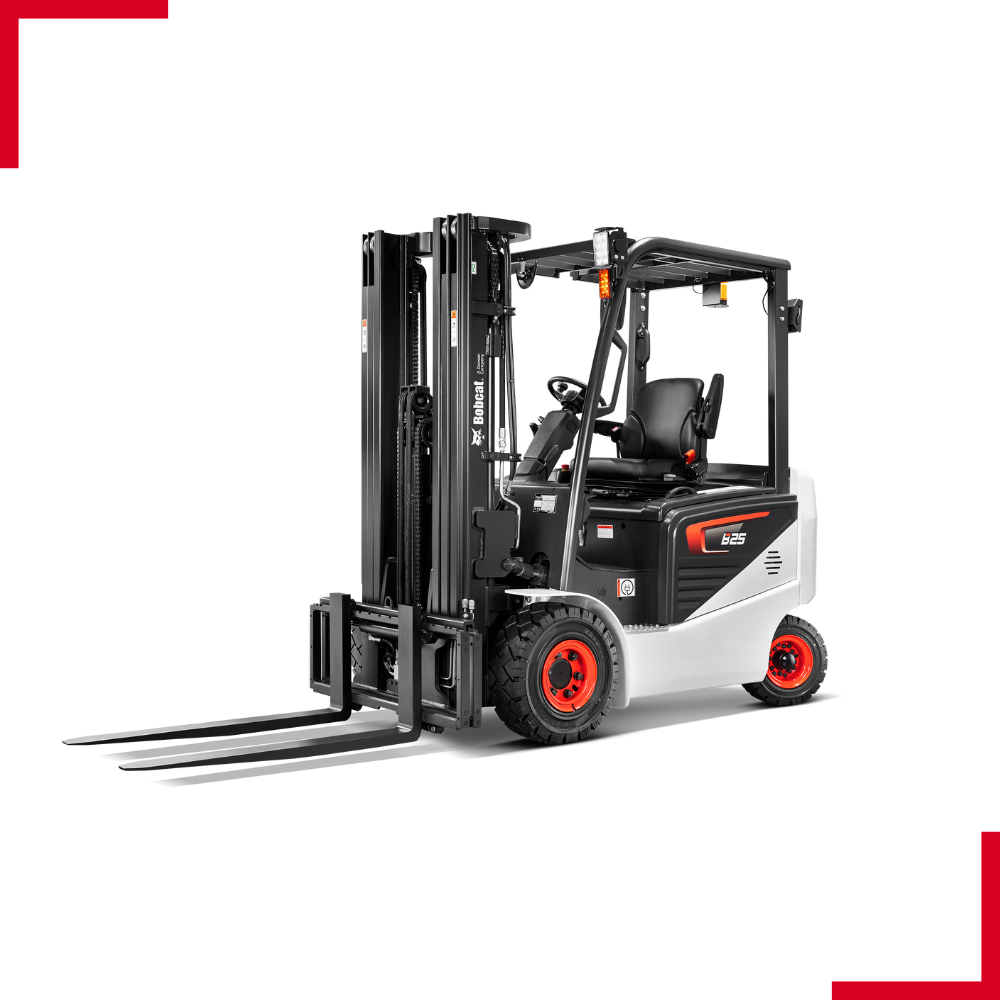
It suits stock where you hold several pallets of each product and strict first in, first out isn’t needed, such as drinks, chilled food, building materials and seasonal stock. It works with standard counterbalance forklifts and reach trucks, so there’s no special truck to buy.
If you need to reach every pallet, standard pallet racking or narrow aisle racking may suit you better. Our racking designer will compare the options and show you the pallet count for each.
Push Back Racking Cost
Push back racking cost depends on how deep each lane is, the number of levels, the pallet weights and how many bays you need. Per pallet position it costs more than standard racking because of the carts and rails, but it often costs far less than extending or moving to a bigger building.
After a free site survey, we’ll give you a written quote for supply and installation, with the pallet count, so you can compare it against other layouts.
Push Back Racking FAQs
Typically two to five pallets deep per lane. The right depth depends on your stock, your pallet weights and the space you have.
LIFO (last in, first out). If you need first in, first out, drive through racking or pallet live racking is a better fit.
Lane depth, the number of levels, pallet weights, the number of bays and access for installation. We’ll give you a written quote after a free site survey.
Standard counterbalance forklifts and reach trucks. No special attachments are needed.
Both store pallets in deep lanes. Drive in fits the most pallets into a space, but the truck drives into the racking and each lane holds one product. With push back pallet racking, the truck stays in the aisle and each lane at each level can hold a different product.
Yes. Our installation teams are based in Avonmouth and work across Bristol, Bath, Gloucestershire, Somerset and Wiltshire.
Call 0117 938 2012, email sales@solutionmhe.com, or use the form below. Tell us your building size, clear height, pallet size and roughly how many pallets you need to store.
Leading Independent Supplier of Forklift Trucks and Warehouse Equipment
Covering Bristol and the South West, Solution MHE offer a wide range of forklifts, warehouse equipment and narrow aisle solutions. We are dedicated to providing high-quality solutions tailored to your specific requirements. Our extensive range is made up of Electric, Diesel, and LPG models, ensuring we can meet your diverse needs.
Want to optimise your warehouse? Let’s talk…
We’re happy to assist where possible – for all warehouse storage enquiries please use the contact form below or alternatively call or email us directly.
Subscribe to Our Newsletter
Subscribe to our email newsletters – get great offers and the latest news.